
Understanding Overhead Crane Safety Standards and Compliance

Overhead cranes are essential in various industries, facilitating the lifting and movement of heavy materials with efficiency and precision. However, their operation poses significant safety risks, making adherence to safety standards and compliance critical. In this blog, we’ll explore the importance of overhead crane safety standards, key regulations, and best practices for ensuring compliance.
The Importance of Overhead Crane Safety
Overhead cranes are powerful tools used in manufacturing, construction, warehousing, and other sectors. They can lift and transport heavy loads with minimal manual effort, but improper use or malfunction can lead to severe accidents, including equipment damage, injury, or even fatalities. Therefore, safety is paramount.
Implementing and adhering to safety standards helps in preventing accidents, reducing downtime, and protecting workers and equipment. It also ensures that operations run smoothly and efficiently, which can have a positive impact on productivity and cost management.
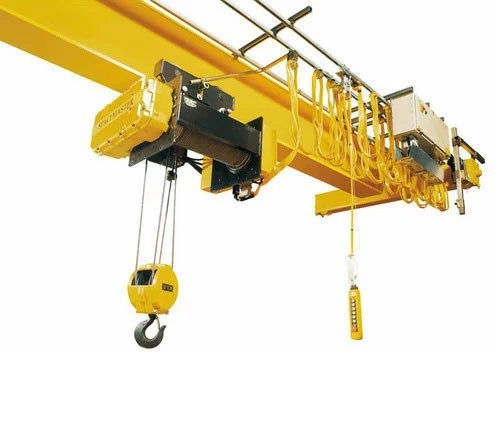
Key Overhead Crane Safety Standards
Several organizations establish safety standards for overhead cranes, each providing guidelines for safe operation, maintenance, and design. The most prominent among them are:
1. ANSI B30 Standards
The American National Standards Institute (ANSI) sets the B30 standards, which cover the safety requirements for cranes, including overhead cranes. ANSI B30 is divided into various sections, each focusing on different types of cranes and their components. Key sections relevant to overhead cranes include:
ANSI B30.2 – Covers overhead and gantry cranes, including specifications for installation, operation, inspection, and maintenance.
ANSI B30.9 – Deals with slings and rigging practices, providing guidelines on the safe use of lifting accessories.
2. OSHA Regulations
The Occupational Safety and Health Administration (OSHA) sets forth regulations for crane operations under 29 CFR Part 1910 and 29 CFR Part 1926. These regulations cover various aspects, including:
General Duty Clause – Employers are required to provide a workplace free from recognized hazards that could cause death or serious physical harm.
Crane Operator Certification – OSHA mandates that crane operators be certified by a recognized accrediting body to ensure they have the necessary skills and knowledge.
3. ISO Standards
The International Organization for Standardization (ISO) provides global standards that influence crane safety practices. Notable ISO standards include:
ISO 4301 – Specifies general requirements for cranes, including safety and performance criteria.
ISO 9001 – While not specific to cranes, it sets standards for quality management systems that affect crane manufacturing and maintenance.
Key Aspects of Compliance
Ensuring compliance with safety standards involves several critical aspects, including proper training, equipment inspection, and maintenance. Here’s a closer look at these components:
1. Operator Training and Certification
One of the most important factors in crane safety is the training and certification of operators. Operators should receive comprehensive training on:
Crane Operation – Understanding controls, load capacities, and safe operating procedures.
Load Handling – Techniques for lifting, moving, and placing loads safely.
Emergency Procedures – Steps to take in case of equipment failure or emergency situations.
Certification from recognized bodies ensures that operators meet industry standards and are competent to handle the equipment safely.
2. Regular Inspections and Maintenance
Routine inspections and maintenance are crucial for the safe operation of overhead cranes. These should include:
Pre-Operational Checks – Daily inspections before use to identify any immediate issues.
Periodic Inspections – Scheduled inspections to assess the crane’s overall condition, including structural components, hoisting mechanisms, and safety devices.
Maintenance and Repairs – Regular servicing of the crane, including lubrication, adjustments, and repairs as needed.
Keeping detailed records of inspections and maintenance helps in tracking the crane’s condition and ensures compliance with regulatory requirements.
3. Safety Procedures and Practices
Implementing and enforcing safety procedures can significantly reduce the risk of accidents. These practices include:
Load Limits – Adhering to the crane’s load capacity to prevent overloading and potential failure.
Safety Devices – Using safety devices such as limit switches, alarms, and backup systems to enhance safety.
Clear Communication – Establishing effective communication protocols between operators and ground personnel to ensure coordinated and safe crane operations.
4. Emergency Response Plans
Having an emergency response plan in place is essential for addressing any accidents or incidents that may occur. This plan should include:
Emergency Contacts – List of contacts for emergency services and internal response teams.
Incident Reporting Procedures – Steps for reporting and documenting incidents.
First Aid and Rescue – Procedures for providing first aid and conducting rescue operations if necessary.
Conclusion
Understanding and adhering to overhead crane safety standards and compliance is crucial for maintaining a safe working environment. By following established regulations, ensuring proper operator training, conducting regular inspections and maintenance, and implementing effective safety procedures, organizations can mitigate risks and promote a culture of safety.
Complying with safety standards not only protects workers and equipment but also enhances operational efficiency and contributes to the overall success of industrial operations. As the use of overhead cranes continues to be a vital part of many industries, maintaining rigorous safety practices remains a top priority.